BOP Food Service Manual and equipment purchasing
A working guide for food service directors, custody staff and purchasing teams. Source review dated September 8, 2026.
TL;DR
- The official index lists Food Service Manual 4700.08 dated May 7, 2026. [1]
- Use the cited requirements table and a model-specific route, sanitation and custody review.
- Product certification records and facility acceptance remain open verification items.
Which BOP Food Service Manual should purchasing use?
The BOP policy index lists Program Statement 4700.08, Food Service Manual, dated May 7, 2026. [1] If an equipment worksheet still cites 4700.06, verify against the current edition before using its requirements. The 4700.08 PDF was retrieved for this review. The requirements table identifies the sections used here; the remaining sections offer a proposed equipment review worksheet. Confirm local implementation with the facility before writing the purchase specification.
| Review topic | Manual location | Source-backed requirement |
|---|---|---|
| Food temperatures | Chapter 10, section 5, p. 41 | TCS food holding limits are at least 135°F or at most 41°F, subject to the stated preparation, cooking, cooling and time-control exceptions. [2] |
| Satellite meals | Chapter 6, section 3, p. 26 | Satellite service ordinarily includes SHU, CMU or similar units, and can include another institution or work detail. [2] |
| Equipment documentation | Chapter 11, section 1, p. 43 | Food Service equipment must meet ANSI sanitation and safety standards and carry certification or listing from a nationally recognized testing agency. [2] |
| Chemical sanitizing | Chapter 11, section 6, p. 44 | Exposure follows manufacturer instructions; a device measuring sanitizer concentration is provided. [2] |
| Certified Food handling | Chapter 4, section 1(d), pp. 21-22 | When Certified Food handling is authorized, direct-contact utensils and plastic gloves must be disposable and single-use. [2] |
What should a satellite meal service cart review measure?
Build the test around the unit with the longest delivery and service sequence. Ask the food service administrator and custody supervisor to agree on the representative menu, meal count and route. Add the assembly start, dispatch, arrival and final handoff to the worksheet. Include each period when the cart waits for staff, an elevator or a security door.
Record which foods will be measured and how the observer will obtain a representative reading. Have the food service lead select the instrument, measurement points and acceptance method. Record the cart display alongside the food readings. Ask the operator to demonstrate setup using the instructions supplied for the exact model.
Complete the test with the intended trays and lids loaded in delivery order. Include a late or replacement meal in the proposed trial plan. Ask how staff retrieve that meal after part of the cart has been unloaded. Record door openings, relocking and who controls the cart while it waits.
Which tray and cart specifications belong in the bid?
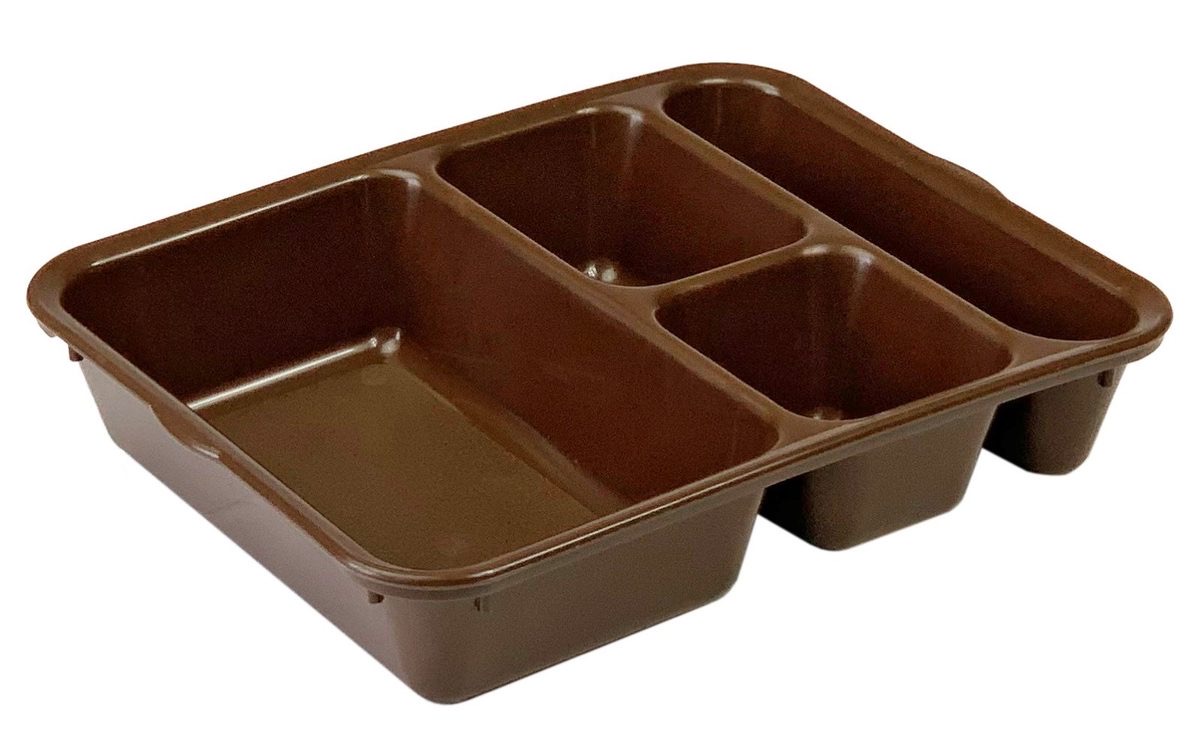
Request a configuration drawing and model-specific specification sheet. Record the tray body, lid, shelves, power connection, loading arrangement and security options separately. Ask purchasing to require the documentation needed for the facility's equipment review with the quote. Keep any certification record tied to the exact model being offered.
| Model-specific item | Printed specification | PDF source |
|---|---|---|
| JZHA-120 designation | Heated/ambient cart | JZHA-120 specification [3] |
| 9000-series segregation tray load | 120 with shelves; 160 stacked without shelves | JZHA-120 capacity table [3] |
| Transport closure | Lockable stainless steel transport latch | JZHA-120 components [3] |
Use those facts to prepare the demonstration questions. Ask how the proposed cold-side arrangement works, how staff obtain the last meal and how the loaded cart moves through the tightest turn. Record the actual lid and tray configuration accepted in the trial. Use ServeSmart and holding cabinets to start the application discussion, then request documentation for the selected equipment.
Record trays per complete meal and verify complete meals per cart in the loaded trial. Cart loads equal meals divided by verified complete meals per cart, rounded up. Route trips equal cart loads divided by carts moved per trip, rounded up; plan each separate dispatch window and the return movement. Record your inputs. If special meals occupy separate spaces or the route imposes another loading restriction, include that decision in the capacity basis. Add loading, escort, serving, return and cleaning time before estimating staff coverage.
How should the tray sanitation cycle be checked?
Chapter 11, section 7(a), p. 46, calls for equipment food-contact surfaces and utensils not in use to be clean to sight and touch. [2] For the proposed review, take a used tray and lid through the entire approved cycle with the sanitation lead. Document where food waste leaves the line, where reusable items are sorted and how damaged articles are separated.
- Match care instructions. Identify the material and model of each article and obtain the supplied cleaning instructions.
- Review the wash setup. Record the machine or manual method, rack arrangement, approved chemistry and checks used by staff.
- Observe access. Check that tray wells, lid channels and other surfaces can be inspected after the demonstrated process.
- Observe drying and storage. Record where articles dry, how staff handle them and where clean stock waits for the next meal.
- Record exceptions. Document residue, retained water, damage or a process interruption and the action selected by the sanitation lead.
Ask staff to include cart interiors, handles and removable parts in the maintenance discussion using the equipment instructions. Review the racking options with actual articles. Measure the proposed drying and storage footprint and include the return quantity from the busiest meal in the layout review.
How should special diets and utensil handling affect the order?
Build separate equipment lists for the mainline menu, medically directed meals and the facility's religious diet program. Have the responsible staff review the proposed article for each list. Use the Certified Food handling requirement above when discussing that program with the administrator. [2]
Ask custody staff to review issue and retrieval of utensils and dinnerware. Run a practice count and document how a discrepancy reaches the responsible supervisor. Include the meal's service and return arrangements when assessing a replacement article. Record any approved substitution by model and date.
What should the purchase file contain?
Assemble the applicable manual excerpts, local procedures, quoted configuration, manufacturer sheets and equipment certification records. Add the route worksheet, sanitation review and custody signoff. Identify which documents came from the manufacturer and which observations came from the facility trial.
Include the accepted tray and lid identifiers, quantities, accessories, delivery location and requested training in the RFP worksheet. Ask the supplier to identify proposed substitutions for review. For tray evaluation, Request Free Samples. Send the completed packet with a Request a Quote so the proposed configuration and open documentation items can be addressed together.
Frequently asked questions
Which BOP Food Service Manual should purchasing check?
The official policy index lists Program Statement 4700.08 dated May 7, 2026.
What hot and cold holding limits does this guide cite?
Chapter 10, section 5 sets 135°F minimum hot holding and 41°F maximum cold holding for TCS food, with stated exceptions. [2]
What documentation should accompany a proposed cart?
Request the exact model sheet, configuration, operating and care instructions, and applicable certification records. Include the planned route and accepted tray arrangement for the facility review.
How should we compare cart quantities?
Use the meal count and verified usable load to calculate trips, rounding upward. Record the tray and lid arrangement, diet allocation, delivery sequence and return time with the calculation.
Request equipment documentation for your review
Include the governing BOP documents, model, meal-wave counts and institution food service contact.
800-848-8160 | solutions@joneszylon.com | 305 Center Street, West Lafayette, OH 43845
Sources
- BOP official policy index, current Food Service Manual listing. https://www.bop.gov/PublicInfo/execute/policysearch?series=4000&todo=query (accessed 2026-09-08)
- BOP Program Statement 4700.08, May 7, 2026; chapters 4, 6, 10 and 11, printed pages cited above. https://www.bop.gov/policy/progstat/4700_008.pdf (accessed 2026-09-08)
- JonesZylon JZHA-120 specification, designation, capacity by arrangement and transport latch. /pdf/Equipment/Dual%20Temperature%20Carts/JZHA-120.pdf (accessed 2026-09-08)