How should a jail reconcile missing trays and utensils?
TL;DR
- Count each item type at issue and return. Record authorized transfers, removals from service and unresolved differences separately.
- Custody staff should approve the accountability procedure and manage discrepancies. Equipment selection alone cannot establish the result of a security program.
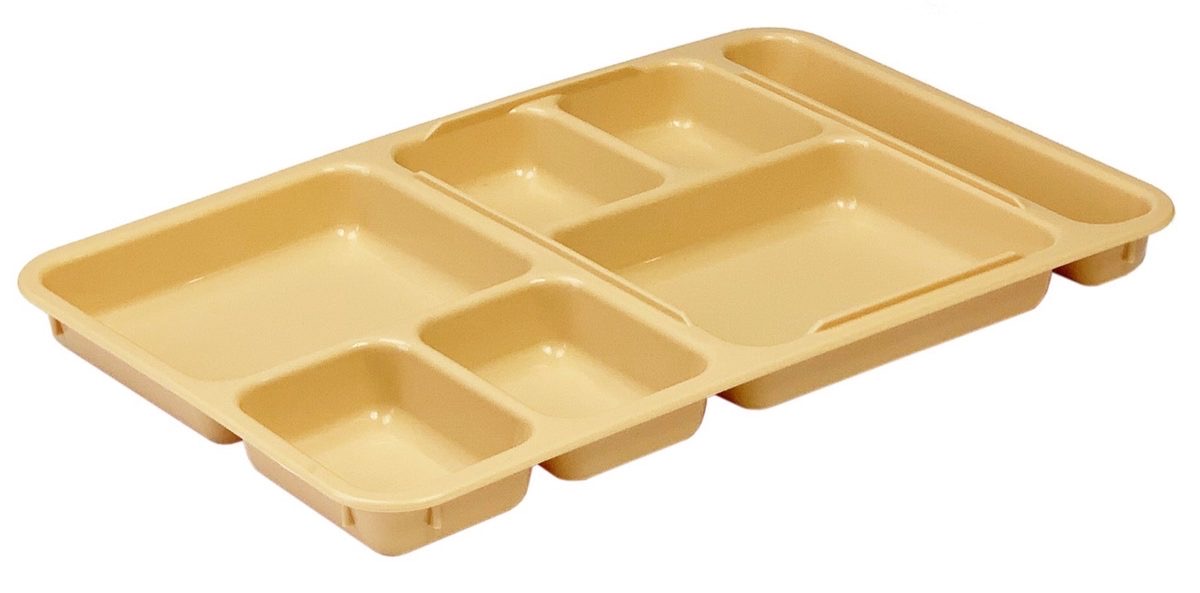

A useful tray and utensil count follows each item type through issue, handoff, return and storage. Record what left the kitchen, what came back and which documented transfers or removals explain the difference. Send unresolved discrepancies to the designated custody staff under the facility’s approved procedure.
The Florida Model Jail Standards include cutlery-accountability documentation and observation of the storage area. That is a jurisdiction-specific example of the recordkeeping problem. The worksheet approach below is suggested planning guidance for local review. It does not replace a facility’s custody procedure. [1]
What should the kitchen count before dispatch?
Create separate count lines for tray bodies, lids, cups and each utensil type. Identify the meal period, destination, cart and staff member releasing the load. Keep unused stock separate from the pieces assigned to a housing unit. Record additional issues after dispatch as new transactions linked to the original meal.
Specify what constitutes a complete meal set for each menu. A tray with a separate lid and cup has several returnable pieces. If a special meal uses an additional dish, show it on that meal’s issue record.
How should issued and returned quantities reconcile?
For each item type, calculate the outstanding quantity from pieces issued, plus authorized transfers in, minus recorded returns, authorized transfers out and documented removals from service. Record each adjustment with a reason and the person accepting responsibility for it. Use the facility’s approved categories for items held at a unit.
A discrepancy remains open until the responsible staff document its disposition. Do not change the issued quantity merely to make a return count balance. Correct a recording error through a visible correction that preserves the original entry. This gives the next shift a record it can follow.
Where should staff record the handoff?
Choose a handoff point recognized by kitchen and custody staff. Record the destination, quantity and receiving role on the same meal record used at dispatch. When responsibility changes again, preserve the reference to that original record. Keep detailed security arrangements in internal facility documents.
Record returned pieces by destination before combining the returns if that is part of the approved accountability process. Mixed returns can be recorded as a separate exception when the original destination cannot be established. Ask custody staff how those exceptions should be handled and who can close them.
How should damaged trays and utensils enter the count?
Give pieces withheld for inspection their own count category. Identify the item type, observed condition, location and staff member receiving it. Follow the approved process for damaged items and any related security concern. Avoid treating a damaged return as an unexplained loss or silently including it in usable stock.
The PPST-28 specification identifies a copolymer tray measuring 14.25 by 9.88 by 1.5 inches and lists dishwasher suitability. [2] Record the exact model in the inventory file. Product identity helps staff distinguish replacements and review condition without relying on a broad label such as “plastic tray.”
How does washing affect the inventory record?
Separate accountability from readiness for reuse. Returned pieces can still be waiting for washing, drying or inspection. Define the point at which the kitchen records a piece as clean, dry and available for the next meal. Use the applicable product and machine instructions throughout the approved sanitation process.
The BOP manual discusses air drying and racks designed for particular trays, pans and utensils. [3] Evaluate drying space with the return pattern you observe. Record the count waiting at each stage when the next assembly period begins, so staff can identify a turnaround problem without calling those pieces lost.
Can a different utensil replace the accountability procedure?
Review material and handling requirements with custody staff when selecting correctional utensils. Keep the approved utensil model, menu use and inspection criteria in the meal-set record. The counting procedure should still identify issued, returned and unresolved pieces.
A specification for a material or product does not demonstrate the result of an entire facility security program. Ask the responsible team which handling observations belong in a sample evaluation. Have them approve the sample process before trial service, including storage, issue and return responsibilities.
What should a count sheet include?
- Meal date, meal period, destination and record identifier.
- Item type and model, with a separate line for each reusable piece.
- Starting issue, additional issues and receiving acknowledgement.
- Returns, transfers and pieces withheld from service.
- Outstanding quantity and the assigned person reviewing it.
- Resolution, authorization and time of record closure.
Use a consistent unit of measure. Count pieces in the service record; identify purchasing packs separately in the ordering file. Have staff check whether a record covers an entire cart, one destination or part of a split delivery. The scope should be clear before anyone compares its totals.
How can the record guide a replacement order?
Use documented losses and removals over a defined period to prepare the replacement requirement. Keep those categories separate from pieces still circulating. Add the stock needed for the accepted wash and dry cycle using observed facility requirements. Ask purchasing to distinguish the initial operating inventory from later replacement quantities.
Connect delayed returns to the meal dispatch cycle. For a proposed product change, keep the current count record available during the sample review so staff can compare the same handling stages.
What should be checked before the next shift takes over?
Review outstanding quantities, equipment still in the wash area and any pieces withheld for inspection. Name the staff member responsible for each unresolved record. Confirm that the next shift has the current approved meal-set list and understands any temporary equipment substitution. Keep the custody resolution process attached to the discrepancy record.
Frequently asked questions
Should lids be counted separately from trays?
Yes. A separate item line makes issued, returned and available lid quantities visible in the suggested worksheet.
Are all unreturned pieces recorded as losses?
Keep outstanding items, authorized transfers, items withheld from service and resolved losses in the categories approved by the facility.
Does a utensil material prove a security program’s results?
A product specification does not establish the result of a facility security program. Custody staff should approve material selection, storage and accountability procedures.
Talk to a JonesZylon corrections specialist.
800-848-8160 | solutions@joneszylon.com | 305 Center Street, West Lafayette, OH 43845
Sources
- Florida Model Jail Standards, cutlery accountability (archived research, accessed September 7, 2026). https://flsheriffs.org/wp-content/uploads/2025/11/FMJS-Manual-2026.pdf (accessed 2026-09-07)
- PPST-28 copolymer tray (manufacturer specification). /pdf/Dinnerware/Compartment%20Trays/PPST-28.pdf (accessed 2026-09-08)
- BOP Food Service Manual, satellite service and sanitation (archived research, accessed September 7, 2026). https://www.bop.gov/policy/progstat/4700_008.pdf (accessed 2026-09-07)